

Shadow Gallery · The Journal
The Size Guide
Size before style
What size
should I get?
It is the question we hear more than any other — and it is the single detail that separates a wall that looks designed from a wall with a beautiful canvas at the wrong size on it.
A gorgeous piece in the wrong size looks awkward no matter how good the artwork is. The right size makes even a simple print look professionally hung. This is the guide we wish every customer read before ordering.

Rule 1
Measure the furniture, not the wall
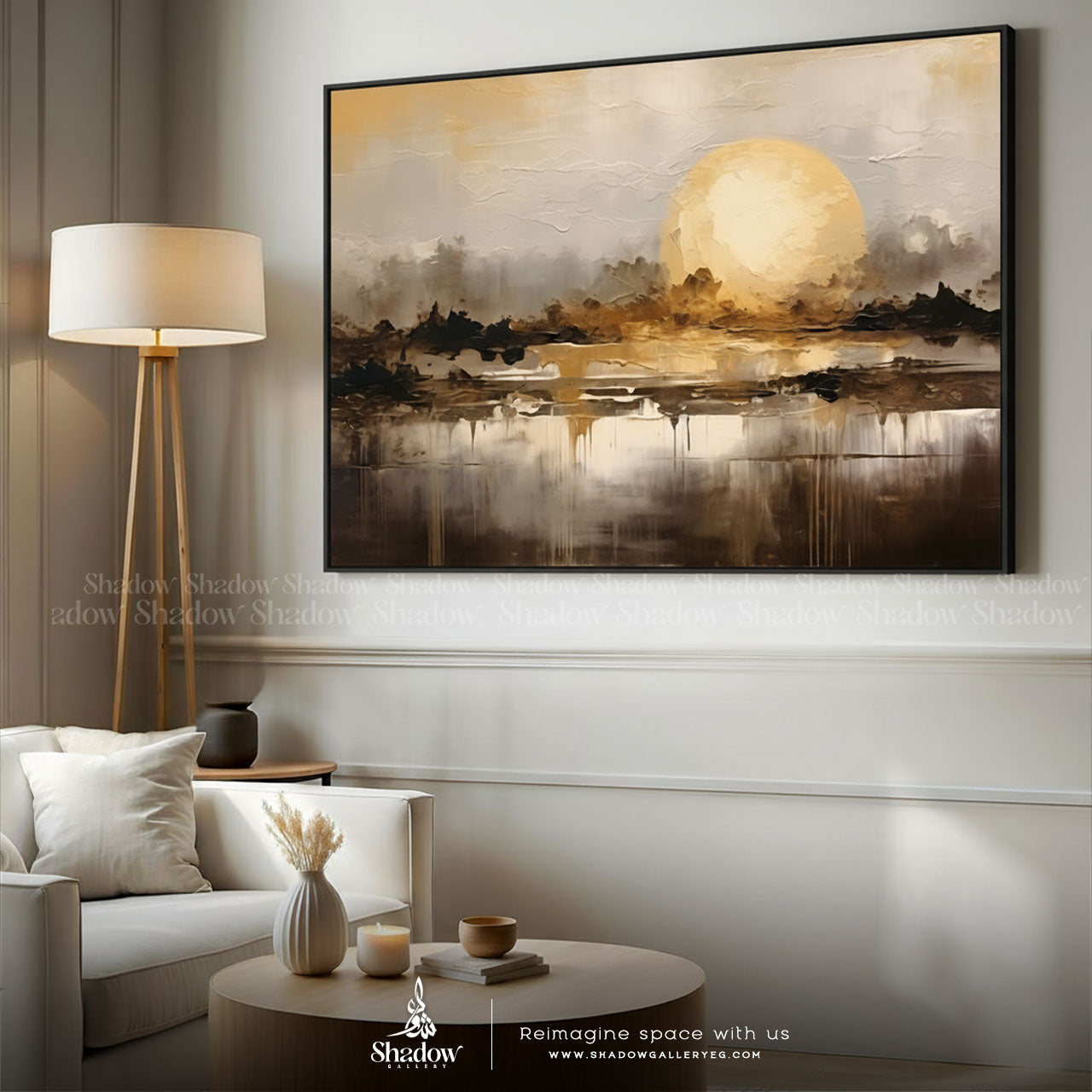
The most common mistake is choosing a size from the empty wall space. A wall can look enormous, but if the piece is going above a sofa, a bed or a console, it is that furniture — not the wall — that sets the proportion.
The formula
The width of the piece — or the total width of a set including its gaps — should cover 60 to 75% of the furniture below it. On a free wall with nothing underneath: 50 to 70% of the wall's width.
| Furniture below | Its width | Target span | Pick |
|---|---|---|---|
| 2-seater sofa | 140–160 | 85–120 | 80×120 landscape · or 2 × 50×70 |
| 3-seater sofa | 180–220 | 110–165 | 100×150 landscape · or 3 × 40×60 |
| Large corner sofa | 240–280 | 145–210 | 120×180 landscape · or 3 × 60×90 |
| Queen headboard | 160 | 96–120 | 80×120 landscape · or 2 × 50×70 |
| King headboard | 180–200 | 108–150 | 100×150 landscape · or 3 × 40×60 |
| Console / sideboard | 100–140 | 60–105 | 70×100 portrait · or 2 × 40×60 |
| Dining, long wall | 180–240 | 110–180 | 120×180 landscape |
| Entry / hallway | — | — | 50×70 or 60×90 portrait |
Rule 2
Our real sizes, and what each is for
These are the sizes actually offered on the product page. Nothing here is a number you will not find when you go to order.
| Type | Available sizes | Where it belongs |
|---|---|---|
| Single piece | 50×70 · 60×90 · 70×100 · 80×120 · 100×150 · 120×180 | Above a sofa, a bed, or a reception wall |
| Set of 2 | 2 × 40×60 · 50×70 · 60×90 · 70×100 | Side by side over a console or in a hallway |
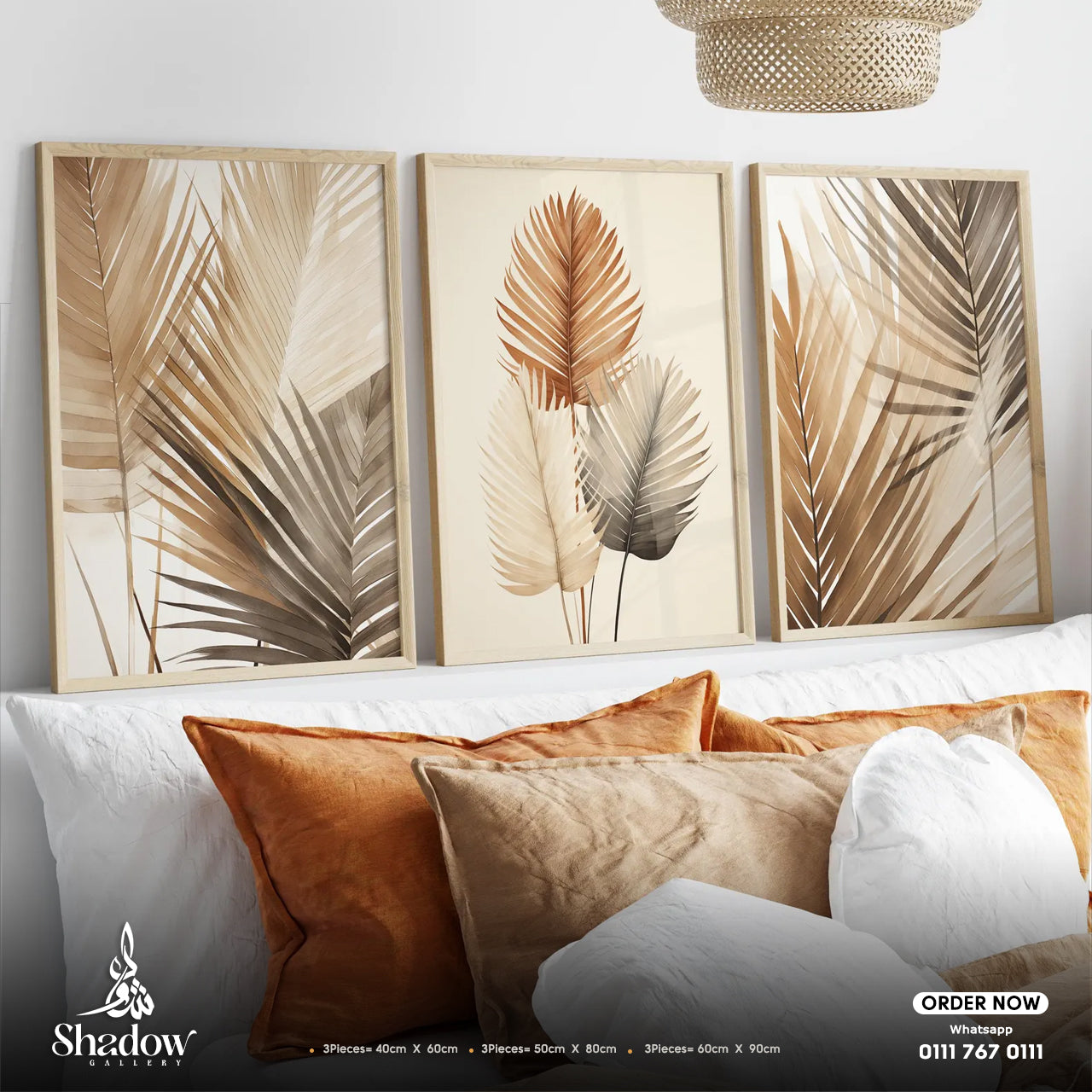
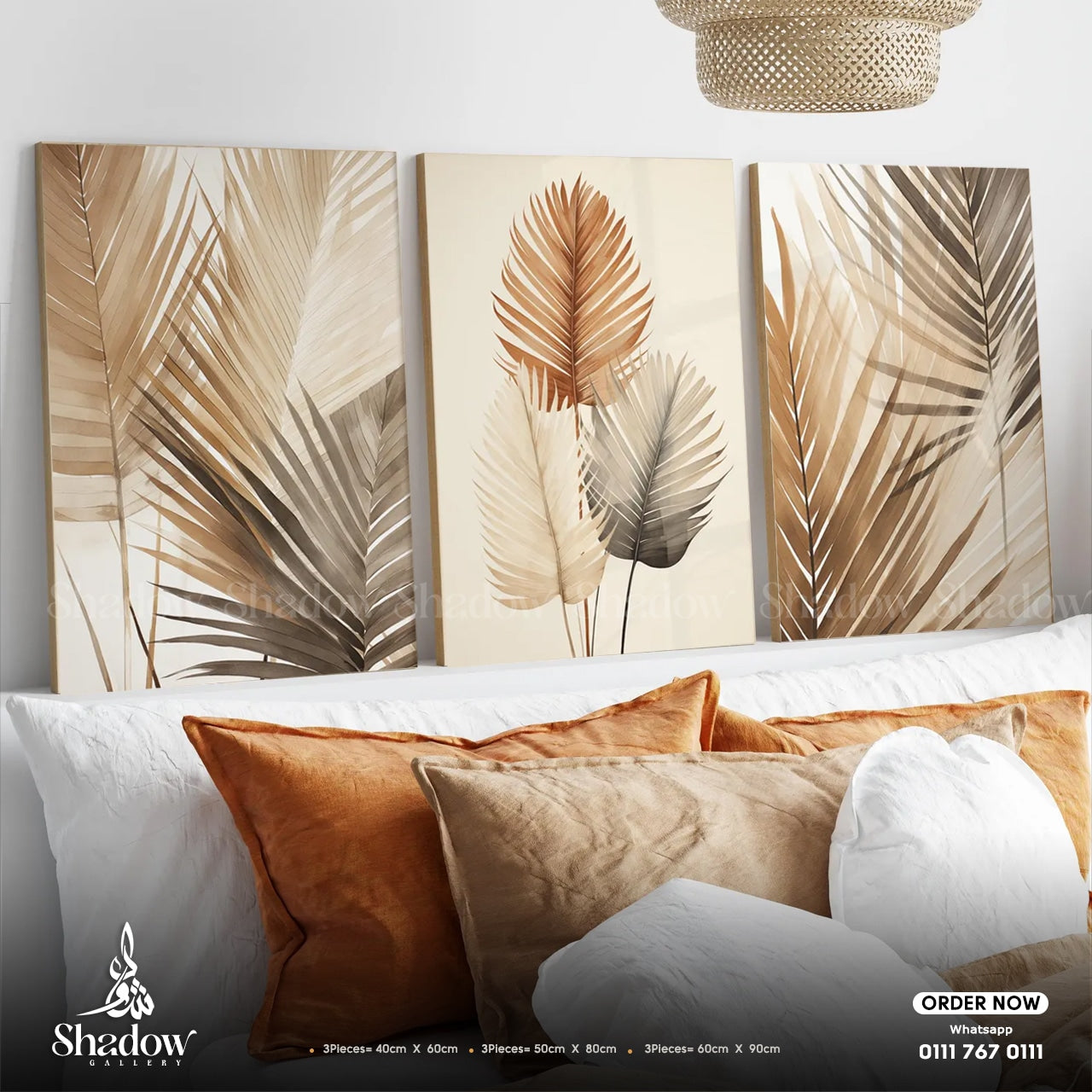
| Set of 3 | 3 × 40×60 · 50×70 · 60×90 · 70×100 | The standard answer to a wide wall |
| Set of 6 (kids) | 6 × 30×40 · 40×60 · 50×70 | A 2×3 grid in a child's room |
| Set | 40×60 | 50×70 | 60×90 | 70×100 |
|---|---|---|---|---|
| 2 pieces | 88 | 108 | 128 | 148 |
| 3 pieces | 136 | 166 | 196 | 226 |
| 6 pieces (3×2) | 132 | 162 | — | — |
Worked example: a 220 cm sofa wants a 132–165 cm span. Three 50×70 panels come to 166 cm — right at the top of the range, and the better choice. Three 40×60 give 136 cm: also correct, just quieter.


Rule 3
The number alone does not tell you enough
Portrait or landscape?
One size string serves both orientations. On a portrait piece, “70×100” spans 70 cm across the wall; on a landscape piece the same string spans 100 cm. Check the orientation of the artwork before you work out coverage.
A wide wall above a sofa or a dining table wants a landscape design or a set. A narrow run between a window and a door, or beside a console, wants portrait. Filtering the catalogue by orientation first is faster than thinking about size at all.
Rule 4
When you are torn, size up
Nine times out of ten, when a wall does not look right the piece is too small, not too big. A 50×70 above a three-seater reads like a postage stamp. If you are between two sizes, take the larger one.
A note on canvas
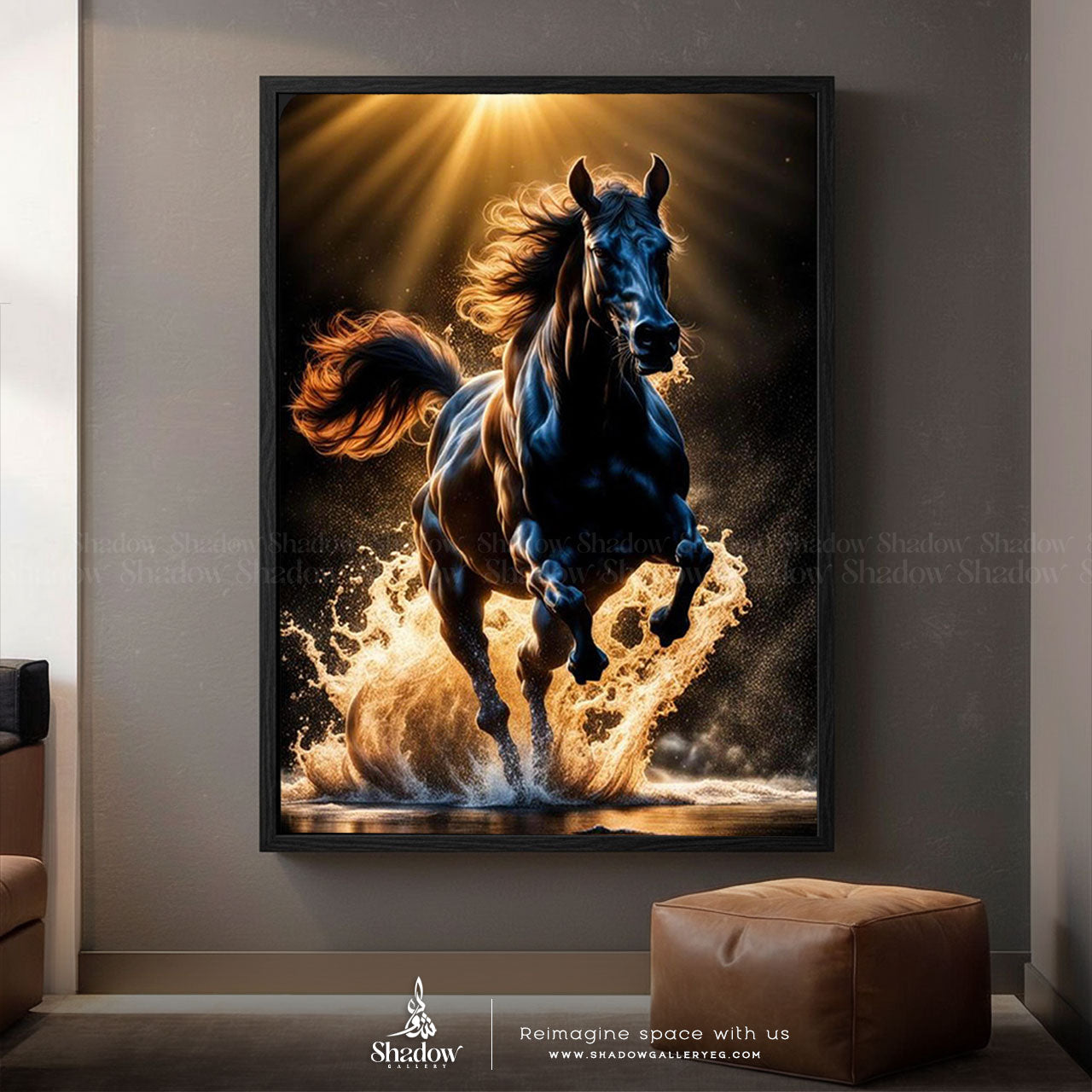
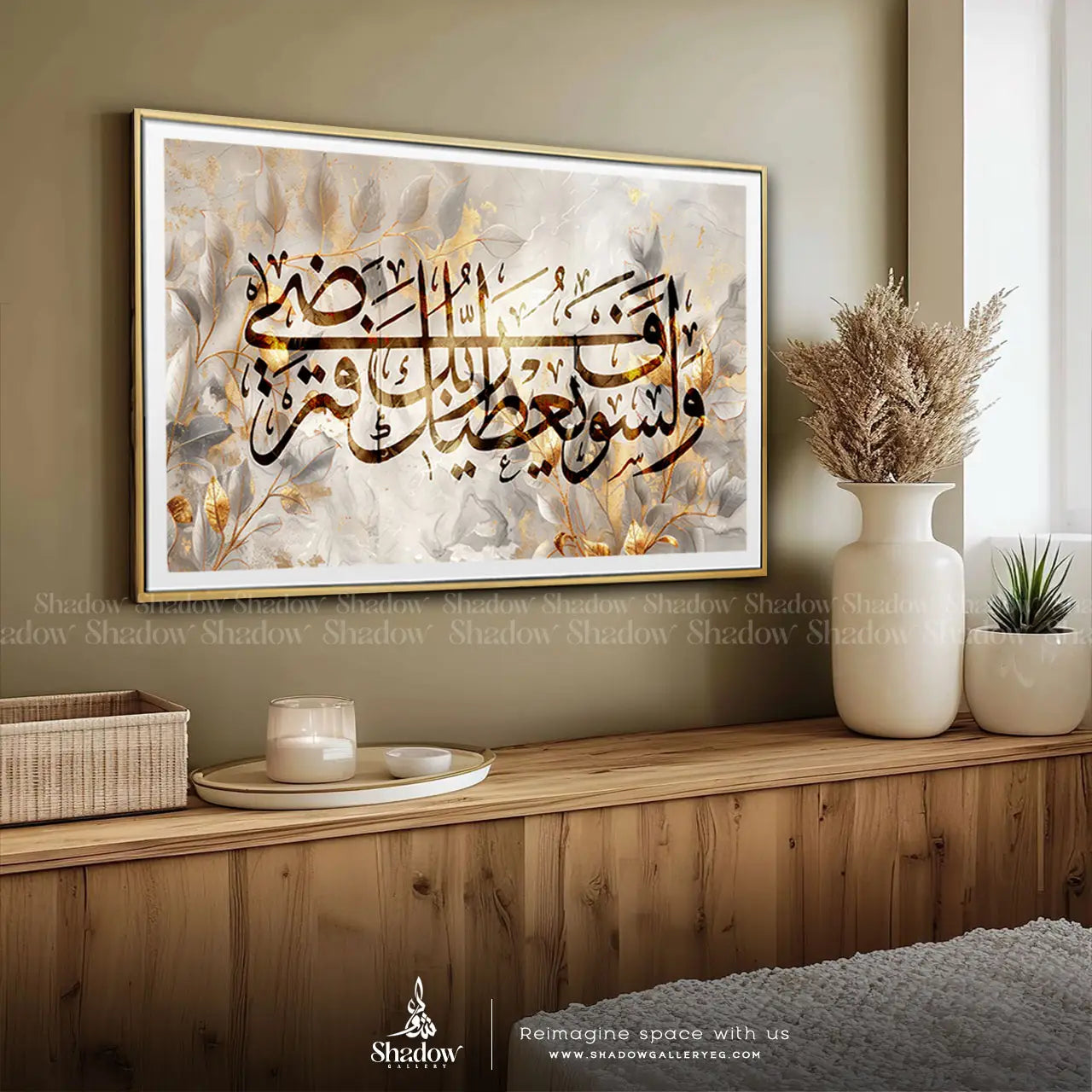
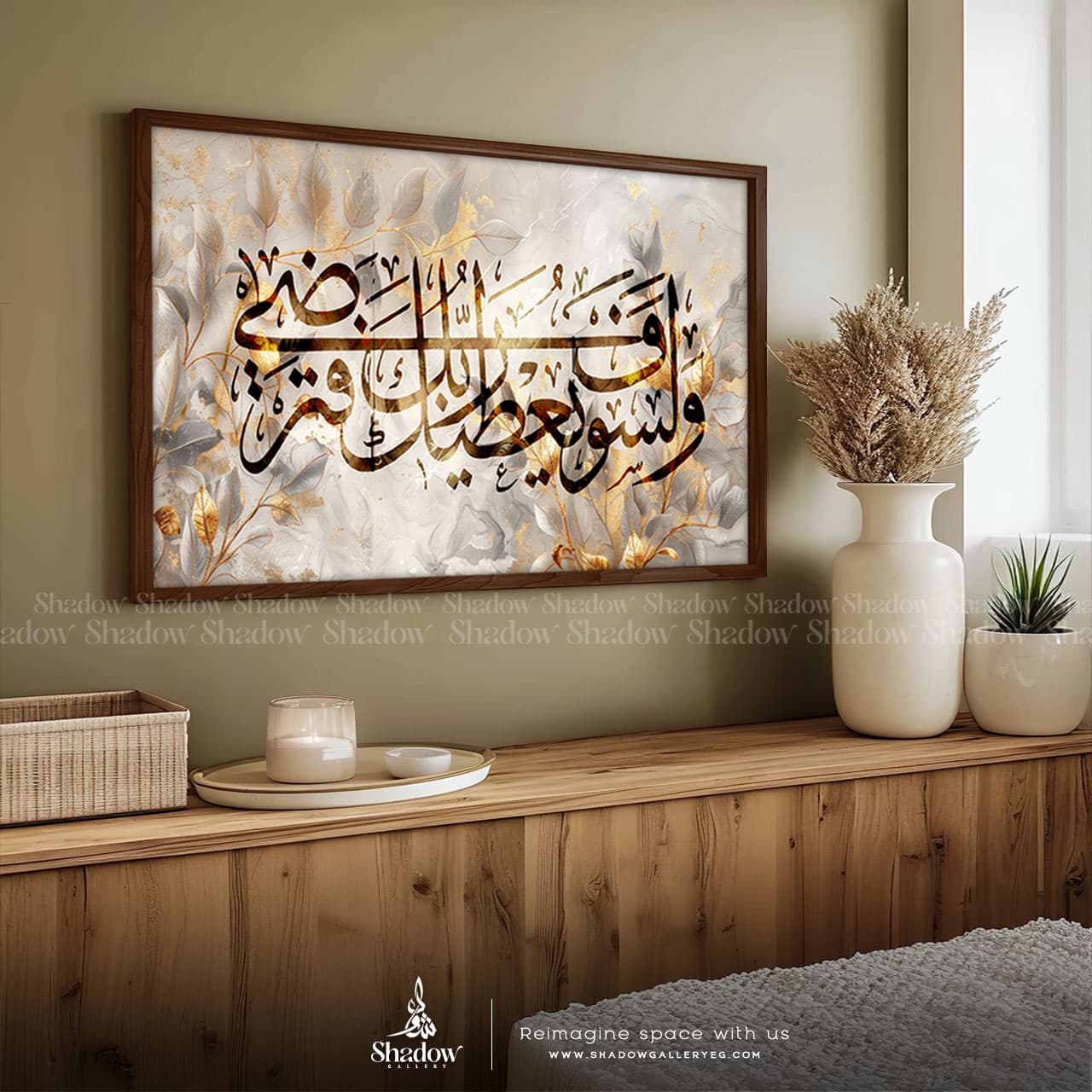
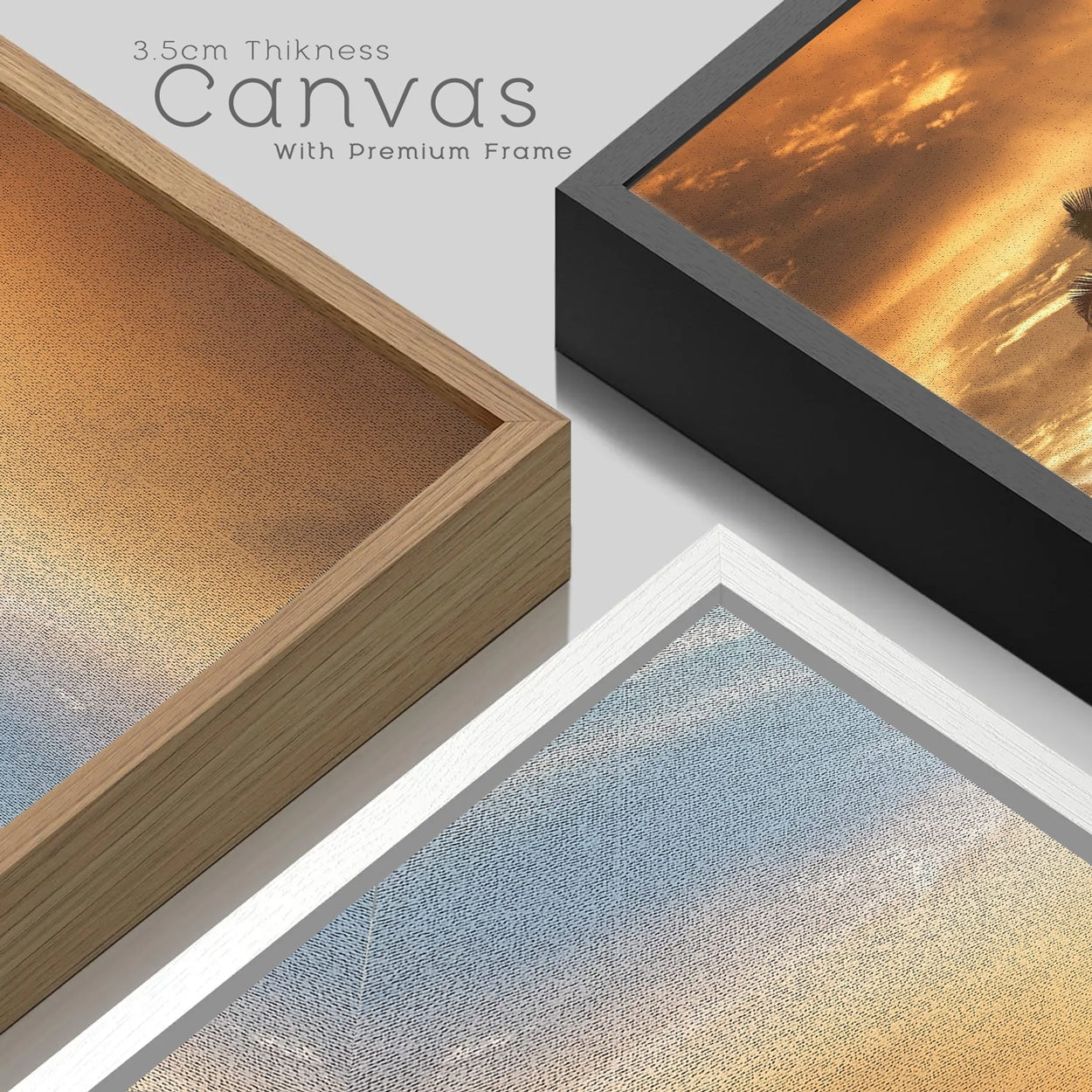
An unframed canvas occupies exactly its stated size — there is no frame adding visual width. With a frame, add roughly 3–5 cm per side to your calculation.


And then?
Size is half the job — hanging is the other half
Once the size is right, what is left is height and spacing: centre the piece 145–152 cm from the floor, leave 15–25 cm above the back of a sofa, and keep 8 cm between frames in a set.
Still unsure?
Send us your wall measurements
The width of your sofa or wall plus a phone photo, and we will come back with the exact size and layout in centimetres — no guessing.